
Residential development data that profiles what’s happening in Brisbane
informative • timely • inclusive
Brisbane – Past, Present & Future
Brisbane is a city on the move. In 1991 the Brisbane City Council established the Urban Renewal Taskforce to plan and implement projects that improved infrastructure, encouraged private capital investment and created a strong identity for Brisbane as a lifestyle city with a vibrant inner city, riverside precincts and urban neighbourhoods.
Urban renewal projects have led to the gentrification of much of inner Brisbane following the huge resident acceptance of Expo 88. Inner city living and neighbourhood dining have become common and a “way of life”.
The Brisbane suburbs of Brisbane City, New Farm, Teneriffe, Newstead, South Brisbane, West End, Kangaroo Point and Bulimba are testimony to the success of the urban renewal programme over the past 20 or more years. Urban gentrification is spreading to all suburbs in Brisbane. The local coffee shop scene and footpath dining is now a common occurrence in almost all Brisbane suburbs.
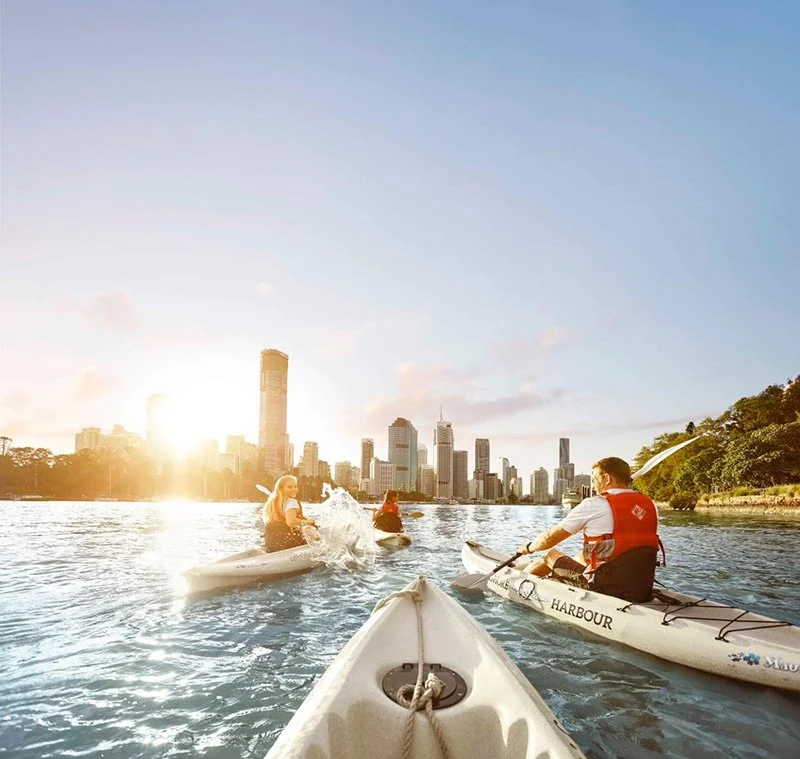
Brisbane has undergone significant change over the past two decades and is likely to experience further dramatic change in the coming two decades. In six years, Brisbane will become the first non-capital city and the first city under two million to host the Summer Olympic Games since Barcelona in 1992. This historic event will drive new infrastructure to the benefit of Brisbane well into the 2040s and 2050s.
Brisbane’s population will increase from just under 900,000 in 2001 to between 1.6 million and 1.7 million in 2046. The number of occupied private dwellings will more than double over the same period to approximately 730,000.
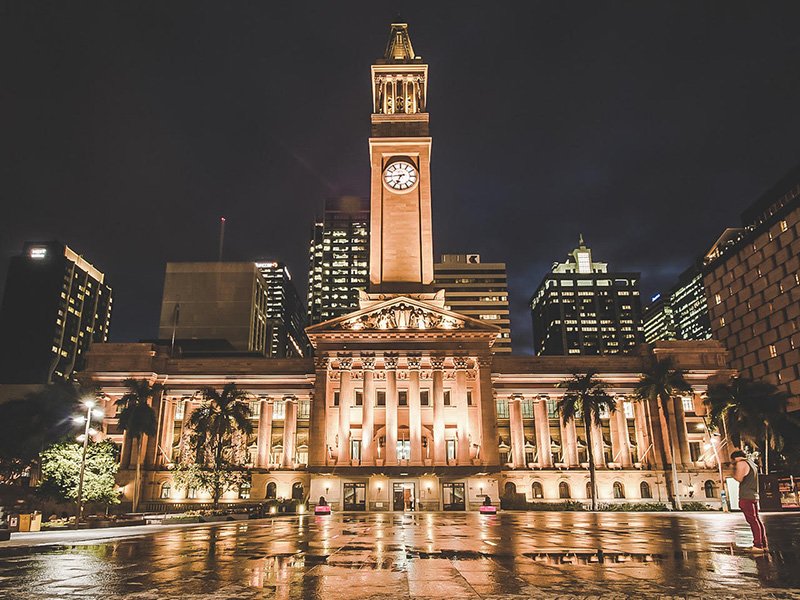
The types of new dwellings will undergo significant changes. Houses will increase from 254,000 to 335,000 dwellings while apartments and townhouses will grow from just over 81,000 to 393,000 dwellings.
The average household size will decrease from approximately 2.6 persons at present to 2.2 to 2.3 persons. In 2046, approximately 20% of the population will be aged over 65 (currently 14%). There will be a greater proportion of couples without children households and the number of lone person households will almost double from the current estimate.
2001
Population
882000 (est)
No of Occupied Private Dwellings
340,000 approx
Dwelling Types
Houses
254,000 (75%)
Units & Apartments
58,600 (17.2%)
Townhouses
22,800 (6.7%)
Fastest Growing Suburbs
Fortitude Valley
New Farm / Teneriffe
West End
Doolandella
Calamvale / Stretton
Bridgeman Downs
Major Infrastructure Projects
Inter City Bypass
Brisbane Airport Rail Link
Darra to Springfield Transport Corridor
Roma Street Parklands
Newstead / Teneriffe Urban Renewal
2026
Population
1,360,000 (est)
No of Occupied Private Dwellings
508,000 to 528,000 (est)
Dwelling Types
Houses
295,000 to 305,000 (est) (58%)
Units & Apartments
118,000 to 125,000 (est) (23%)
Townhouses
95,000 to 98,000 (est) (19%)
Fastest Growing Suburbs
South Brisbane
West End
Rochedale
Pallara / Willawong
Bridgeman Downs
Major Infrastructure Projects
Cross River Rail
Queens Wharf Precinct
Waterfront Brisbane
Brisbane Metro
Victoria Park Redevelopment
2046
Population
1.6m to 1.7m
No of Occupied Private Dwellings
around 730,000
Dwelling Types
Houses
335,000 est (46%)
Units & Apartments
211,000 est (29%)
Townhouses
182,000 est (25%)
Fastest Growing Suburbs
Woolloongabba
Indooroopilly
Northshore Hamilton
Upper Mt Gravatt
Chermside
Pallara
Major Infrastructure Projects
Northshore Hamilton Redevelopment
Brisbane Airport Terminal 3
Sunshine Coast Rail Link
Salisbury to Beaudesert Rail
Moreton Motorway
Source - 2021 ABS Census, Brisbane Community Profiles - Brisbane City Council, ShapingSEQ 2023
Given the significant changes occurring in Brisbane as we progress towards the 2032 Summer Olympic Games and the evolution of the city’s residential landscape, it is now opportune to provide a comprehensive knowledge base of new residential developments in the immediate future. Residential Research Plus (RR+) details the pipeline of new residential development activity with a series of reports that inform on contemporary and development issues.
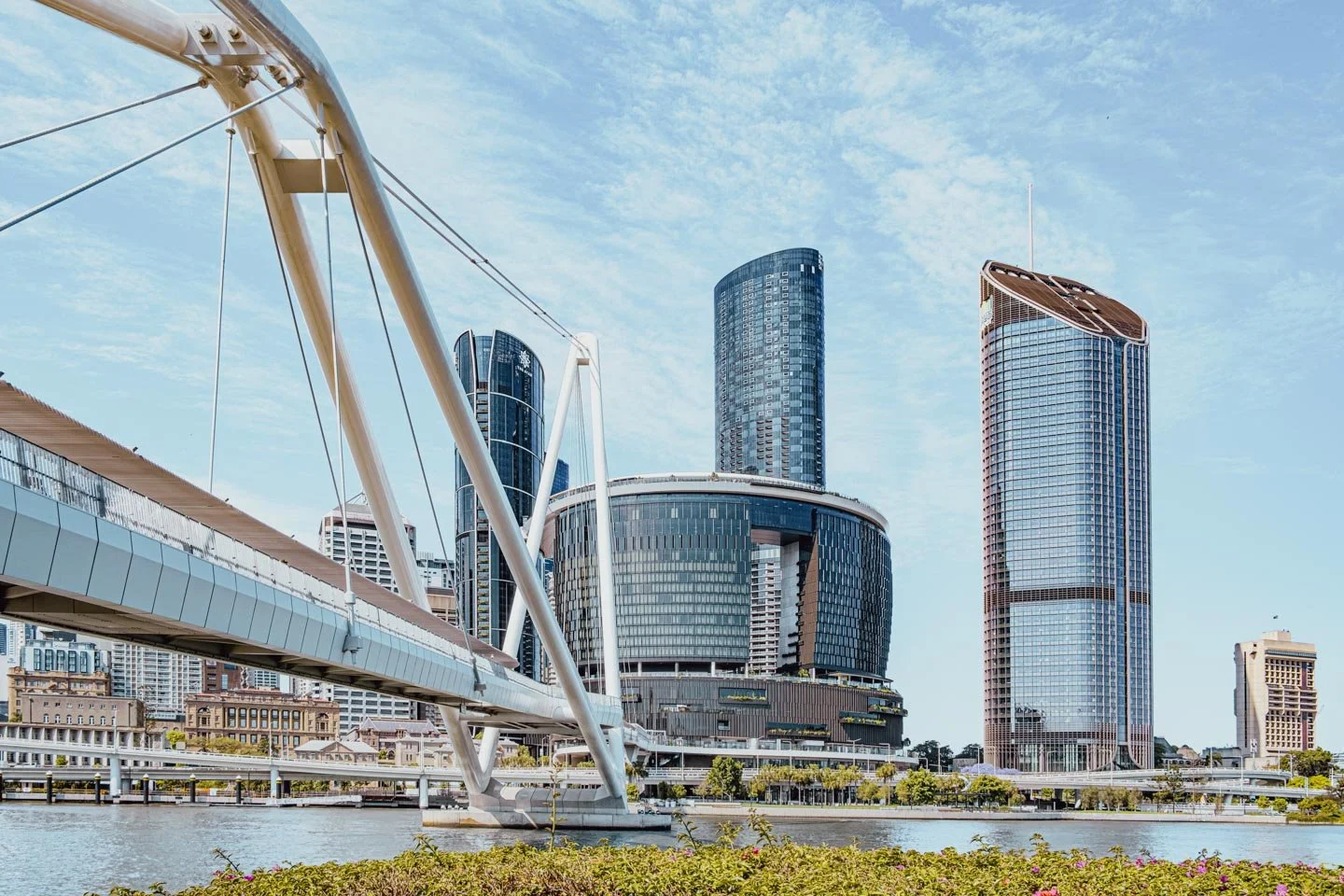
What is Residential Research Plus
Residential Research Plus (RR+) has been developed to better inform interested parties about the residential development market in Brisbane. RR+ has developed a series of reports that inform about contemporary market and development issues.
Keeping up to date with market information and knowing what is happening is the basis for good decision making with residential property development ventures. The market reports can range from short and concise to detailed analysis of residential development matters associated with apartments, townhouses and land subdivisions across most Brisbane suburbs.
Brisbane has seen around 780 new projects completed with over 21,400 subdivision lots, townhouses and apartments over the past five years or so. There are currently circa 320 projects under construction with just over 12,750 lots or dwellings and a further approximate 730 projects approved or pending approval with around 34,750 lots or dwellings. Most new projects are apartments.
The change in dwelling mix from house lots and townhouses to apartments will be profound as Brisbane’s progresses to the Brisbane 2032 Olympics. Apartments comprised around 58% of all new dwellings since 2019 to the present but are likely to be over 80% of new dwellings over the next 5 to 7 years.
RR+ will attempt to identify and interrupt new residential developments and perhaps offer guidance to new opportunities.
Note: Updated on 27.01.26.
About us
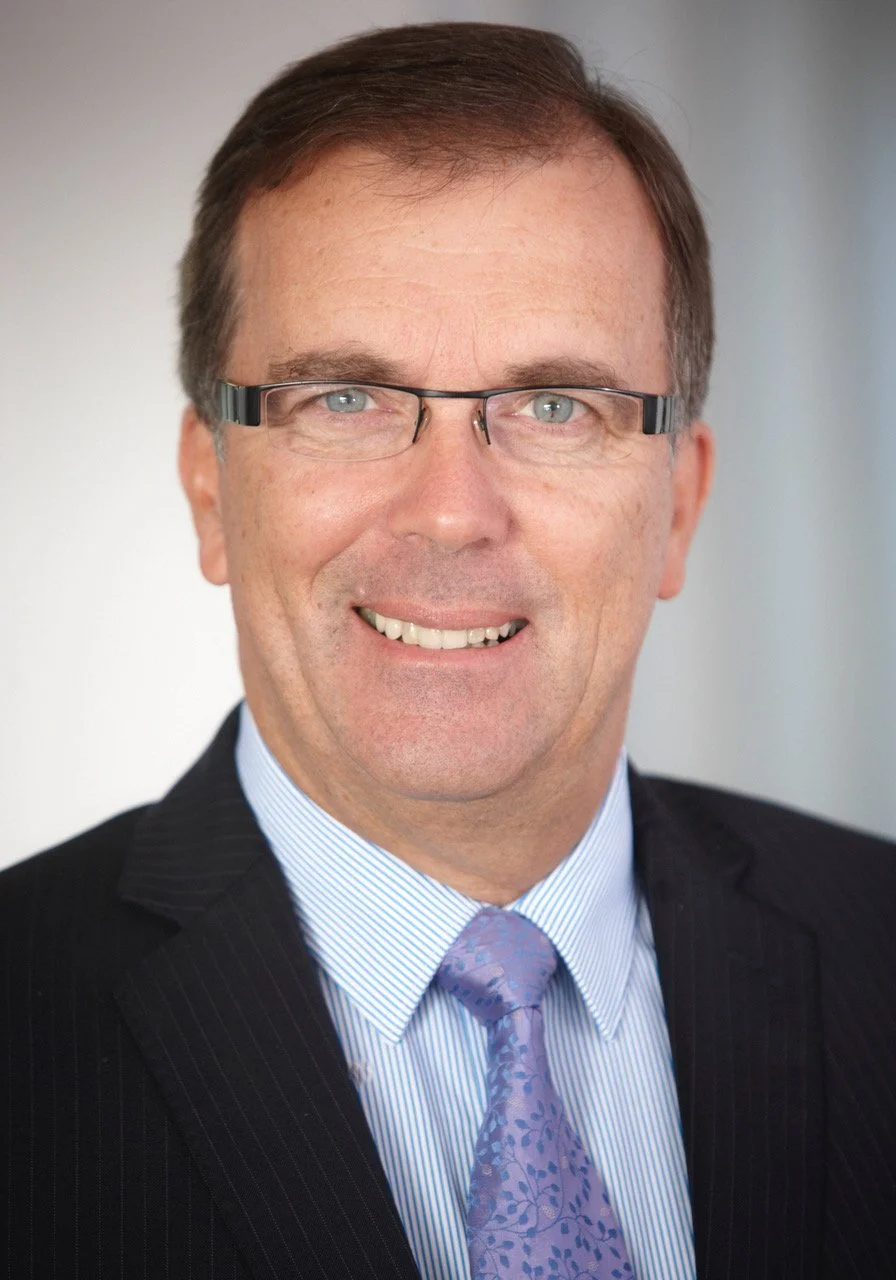
Residential Research Plus (RR+) has been developed by Egan Property Solutions under its residential research brand. Egan Property Solutions is owned and directed by John Egan.
John possesses extensive experience and knowledge of Brisbane’s residential development marketplace, having been involved in marketing and selling over 110 new residential projects for more than 30 years. These projects encompass a range of developments, from inner-city high-rise apartment towers to outer Brisbane townhouses and residential subdivisions.
Residential property development is increasingly reliant on real-time practical knowledge and the ability to assess and respond to local circumstances on a suburb-to-suburb basis.
Our website, www.rrplus.com.au serves as a comprehensive resource for developers and other stakeholders interested in staying informed about Brisbane residential development. It features an extensive library of reports and summaries of residential property development matters, which are generally available at no cost. Our six Detailed Analysis reports have fees applicable.
Our signature report, the State of the Suburbs report, provides valuable insights for interested parties involved in residential development projects. It caters to a wide range of scenarios, including lot subdivisions, townhouses, apartments, and units within a single suburb, or across multiple neighbouring suburbs or the entire metropolitan area of Brisbane.
The State of the Suburbs report is a detailed summary of development applications, approvals, construction and recent completions in 133 Brisbane suburbs. Brisbane has seen nearly 780 new residential developments in the past five years or so, around 320 projects under construction at the present time and over 720 new projects approved or pending approval.
Our other available informative reports are
Boutique High Value Apartments – Detailed Analysis (Early February)
New Apartments Supply Pipeline – Detailed Analysis (Late February)
New Townhouses Supply Pipeline – Detailed Analysis (Early March)
New House Lot Subdivisions Pipeline – Detailed Analysis (Late March)
For more information, please contact John Egan on 0412 456 711 or email john@eganprop.com.au